Essential Compliance in Facility Management Explained
Modern organisations rely on well-managed facilities to ensure safety, efficiency, and uninterrupted operations, yet many still struggle with hidden risks, inconsistent maintenance, and increasingly complex regulations. This is why compliance in facility management has become essential, providing a structured approach that connects management, managers, and operational teams into a unified system that improves performance, reduces risks, and ensures every facility remains safe, maintained, and fully compliant.

03/06/2026
Facilities Management
First Of all:
- itemmm
- uuu
- ooo
Then:
- one
- two
Modern organisations depend on safe, efficient, and legally compliant buildings to maintain smooth operations. However, many still face hidden risks, inconsistent maintenance, and evolving regulations. This is where compliance in facility management becomes a key driver of performance, ensuring that every facility and all facilities remain safe, efficient, and fully controlled.
In simple term, compliance is not just paperwork. It is a structured process that connects management, managers, and operational teams into a single team working under shared standards. According to industry reports, organisations with strong compliance systems significantly reduce risks and improve service reliability across their buildings.
This guide explains what compliance means, why it matters for modern facility environments, and how organisations can improve facility management compliance through better systems, technology, and leadership.
What Is Compliance in Facility Management?
Compliance in facility management refers to ensuring that every facility operates in a fully compliant, safe, and legal way according to regulatory requirements, workplace regulations, and industry standards. It ensures that facilities are properly maintained, monitored, and aligned with all safety expectations.
This concept connects management, operations, and governance into one structured framework where every team follows a clear process to ensure performance and reduce risk exposure.
Many organisations appoint a facilities and compliance manager or facilities compliance manager to oversee inspections, audit activities, documentation, and corrective actions. These managers are responsible for ensuring all systems remain compliant with legal and regulatory requirements.
Modern technology plays a major role here, helping organisations streamline reporting, improve monitoring, and ensure continuous compliance across every facility.
Facilities Management Compliance and Why It Matters
The importance of facilities management compliance has increased due to complex regulations, rising expectations, and advanced building systems. Today’s facility management compliance is not optional—it is a key operational necessity.
Strong compliance in facilities management ensures that buildings remain safe, efficient, and aligned with standards while protecting people and assets. Without it, organisations face increased risks, operational failures, and legal exposure.
Research shows that companies with structured compliance systems achieve better operational performance and fewer disruptions. This helps reduce risks, improve service delivery, and maintain continuous operations.
To strengthen knowledge, many professionals learn through facilities management courses and facilities management courses online, improving their understanding of compliance systems and operational control.
These programmes help teams understand how to maintain a compliant environment while improving management effectiveness and workplace safety.

Building an Effective Facilities Management Compliance Checklist
A structured facilities management compliance checklist is a key tool for controlling facility operations. It ensures every process is followed correctly and every facility remains properly monitored.
A strong facilities management building compliance checklist helps organisations verify safety, maintenance, and regulatory adherence across all facilities.
Important elements include:
- Fire safety systems and emergency procedures
- Electrical and mechanical inspections
- Contractor compliance verification
- Environmental and workplace regulations
- Documentation and audit trails
- Maintenance tracking and asset control
This structured process helps managers make sure that every facility remains maintained, safe, and compliant.
Modern technology also helps streamline inspections, automate reporting, and improve visibility across all operations, making compliance more efficient and reliable.
Advanced facility optimisation strategies improve performance by reducing waste and improving energy usage, while facilities maintenance strategies ensure long-term asset reliability and lower risk exposure.
How Compliance in Facility Management Reduces Risk
Strong compliance in facility management is essential for reducing risks across all operations. Without proper systems, even small failures can lead to major legal, financial, or operational consequences.
Common risks include poor safety control, weak documentation, non-compliance with regulations, and inefficient process management.
A strong compliance system helps ensure that every facility remains compliant, properly monitored, and continuously improved through regular audit checks.
This structured approach allows organisations to stay compliant, improve management efficiency, and maintain high levels of quality across all facilities.
Why Facilities Management Compliance Training Is Essential
Many compliance failures occur due to lack of knowledge rather than intent. This is why facilities management compliance training is essential for all managers and operational team members.
Training helps professionals learn how to manage regulatory requirements, understand legal obligations, and improve operational decision-making.
It also helps organisations streamline their compliance process, improve safety, and minimise risk across daily operations.
Some professionals also pursue the level 4 diploma in facilities building management compliance to gain advanced expertise in management, compliance systems, and facility governance.
The Future of Facility Management Compliance
The future of facility management compliance will rely heavily on technology, automation, and data-driven systems. Smart buildings will improve monitoring, predictive maintenance, and real-time reporting across all facilities.
This evolution will help organisations improve compliance, reduce risks, and maintain all operations remain efficient and compliant with evolving regulations.
Conclusion
Effective compliance in facility management is a key term for modern organisations aiming to maintain safe, efficient, and compliant facilities. It connects management, managers, systems, and team coordination into a structured process that improves performance and reduces risks.
By strengthening compliance, investing in training, and using modern systems, organisations can guarantee better safety, improved operations, and long-term sustainability while staying fully compliant with all legal and statutory standards.
WE will do a :
- one
- two
- three
then:
- sada
- asdaitem
- block
Finsihed !
Related Articles

Essential Facility Management Skills for Success
Facility management plays a vital role in improving workplace efficiency, safety, and business performance. To succeed in this growing field, professionals need a combination of leadership, operational, and technical skills to manage facilities effectively, support sustainability, reduce costs, and maintain productive.
Read More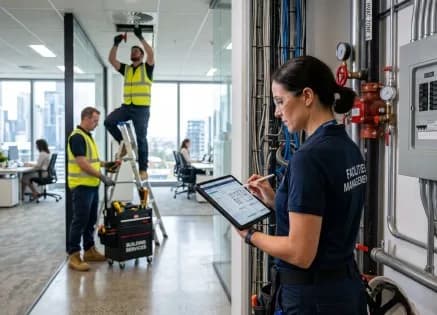
Facilities Manager Roles and Responsibilities: A Practical Business Guide
Facilities management plays a vital role in maintaining safe, efficient, and productive workplaces. Facility managers oversee maintenance, operations, safety, and workplace services to ensure buildings support business performance and daily operational success.
Read More
Top Benefits of Professional Facilities Management
Poorly managed facilities cost more than most organizations realize. Unplanned maintenance, energy inefficiency, compliance failures, and low staff productivity are all symptoms of the same underlying problem: a lack of structured facilities management. The benefits of facilities management are measurable, well-documented, and directly tied to how well a business controls its costs, protects its people, and maintains its assets. In this article you will read a clear, evidence-based breakdown of the top benefits — from operational efficiency and safety compliance to software integration and outsourcing strategy — giving business leaders and FM professionals the insight they need to make informed investment decisions.
Read MoreSearch
Frequently Asked Questions
Every successful business is built on a strong financial foundation—just as every great project starts with careful planning. Our Accounting resources are designed to provide clear, practical answers to your most important financial questions. We break down complex accounting concepts into actionable insights, helping you understand your numbers, stay compliant, and make confident decisions that support sustainable growth and long-term success.