Geotechnical Engineering: The Cornerstone of Civil Engineering
Geotechnical Engineering: The Cornerstone of Civil Engineering

24/03/2024
Constructions & Civil Engineering
Geotechnical engineering emerges as a fundamental discipline within the broad spectrum of civil engineering, underpinning the safety and stability of construction projects. This article delves into the realm of geotechnical engineering and highlights its critical importance in the architectural and construction sectors.
Exploring the Fundamentals of Geotechnical Engineering
Geotechnical engineering is a specialised branch of civil engineering focusing on the interaction between earth materials and human-made structures. It involves rigorous analysis of the ground to understand its capability to support constructions under various environmental conditions. This field goes beyond mere soil inspection; it encompasses a detailed examination of earth materials to assess their bearing capacity, classify them, and understand their physical and mechanical traits.
Such comprehensive evaluations are instrumental in guiding engineers on the necessity of soil reinforcement and the optimal designs for foundations and structures. From bridges and highways to residential complexes and skyscrapers, geotechnical engineering provides the data to make informed decisions about the earthworks and foundation strategies underlying these constructions.
Laboratory and field testing plays a critical role in this process. By extracting samples from the earth’s subsurface and applying a suite of tests, geotechnical engineers can predict the behaviour of soil layers and evaluate their suitability for various construction endeavours.
The Indispensable Value of Geotechnical Engineering
The essence of geotechnical engineering in civil engineering cannot be overstated, attributable to several factors:
Identifying Soil Characteristics
The initial step in any geotechnical study involves determining the soil type at the construction site. This is vital as different soil types, ranging from rocky to clayey, possess unique properties that can significantly affect a project's feasibility. Understanding these characteristics ensures that only suitable soil types are chosen for the development, thereby averting potential structural failures.
Foundation Design and Optimization
The foundation acts as the bedrock of any construction project. Selecting the appropriate foundation type is a decision that hinges on the comprehensive analysis provided by geotechnical engineering. This ensures the longevity and stability of structures by accommodating the loads they will bear.
Assessing Slope Stability
Geotechnical engineering also studies slope stability, which is crucial for projects involving dams, tunnels, or any construction on inclined terrains. Evaluating factors like groundwater movement helps mitigate risks associated with slope instability, ensuring the safety and durability of the project.
Such expertise in geotechnical engineering is honed over years of practice or through specialised civil engineering courses in Dubai offered in leading educational hubs worldwide. Moreover, this field is constantly evolving, with new technologies enhancing the precision of soil analyses.
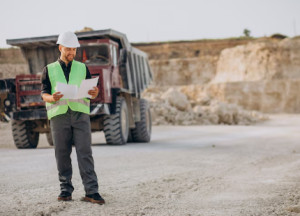
Cutting-edge Technologies in Geotechnical Engineering
Keeping pace with technological advancements, geotechnical engineering has embraced modern tools and methods that augment its scope and efficiency:
-
Advanced Geotechnical Instruments
These tools offer deeper insights into soil behavior by continuously monitoring its response to external influences. They enable early detection of potential risks and improve construction safety and performance.
-
Imaging and Remote Sensing
These technologies are increasingly crucial for risk assessment. They provide vital data through aerial photography and the gathering of topographic information, thus facilitating more accurate project planning.
-
Simulation Software
The advent of modeling software marks a significant technological leap in geotechnical engineering. By simulating various soil conditions and construction scenarios, engineers can better assess the viability of their projects, foresee potential challenges, and devise more effective solutions.
Conclusion
Geotechnical engineering is a cornerstone of civil engineering, playing a pivotal role in the construction and sustainability of infrastructure. Its contributions are indispensable in ensuring the safety, stability, and success of construction projects, making it an essential field of study and practice in engineering.
Related Articles

What Makes Smart Cities an Urgent Need for the Future?
What Makes Smart Cities an Urgent Need for the Future?
Read More
Sustainable Engineering: Why is it the Cornerstone of Every Engineering Project?
Sustainable Engineering: Why is it the Cornerstone of Every Engineering Project?
Read More
Sustainable Urban Planning: Designing Smart Cities with Environmental Consciousness
Sustainable Urban Planning: Designing Smart Cities with Environmental Consciousness
Read More