Reverse Logistics: How to Reduce Costs and Increase Customer Satisfaction?
Reverse Logistics: How to Reduce Costs and Increase Customer Satisfaction?
19/11/2023
Logistics & Supply Chain
Reverse logistics is a process that increases the value of services provided to customers by companies. The Supply Chain Department is keen to provide and manage this service fully while monitoring work progress within each stage.
It is usual for customers to return products. Some of those reasons are:
1. The product has a manufacturing defect, or
2. End of a product life cycle or for other reasons.
This is the goal of logistics. It takes care of returning the product to the manufacturer or the retailer for recycling or upgrading.
What is Reverse Logistics?
Reverse logistics refers to overall active operations within a particular supply chain activity. It involves returning all used end-user merchandise and products to the original master factory. The purpose is to develop or recycle them. Also, to reuse them more effectively.
There are several reasons for returning the product, including:
- The need to improve product quality or
- Remanufacture, and
- Achieving customer satisfaction by adding value to it.
The Reverse Logistics Service Department performs its operations by implementing several activities, for example, debugging and restarting the product after improving its quality and ending with reselling it. Supply chains usually face problems and challenges in their work, but to maintain the quality of added value through reverse logistics, supply chain challenges and solutions must be balanced.
Why is Reverse Logistics Important?
The importance of reverse logistics operations involving the return of materials and products is cost reduction resulting from manufacturing. This is possible by reducing the use of raw materials and reusing the materials of the same commodities in remanufacturing. Thereby reducing the cost of the flow of raw materials needed for manufacturing.
Since every successful company strives to provide added value to its customers, reverse logistics undoubtedly caters to this. Reverse logistics helps return a product previously purchased by a customer for exchange or repair.
Reverse logistics also promotes a healthy, green, sustainable environment. Its operations aim to reduce the transfer of materials to the trash, thus materials that are less harmful to the environment.
What are the Stages of Reverse Logistics Operations?
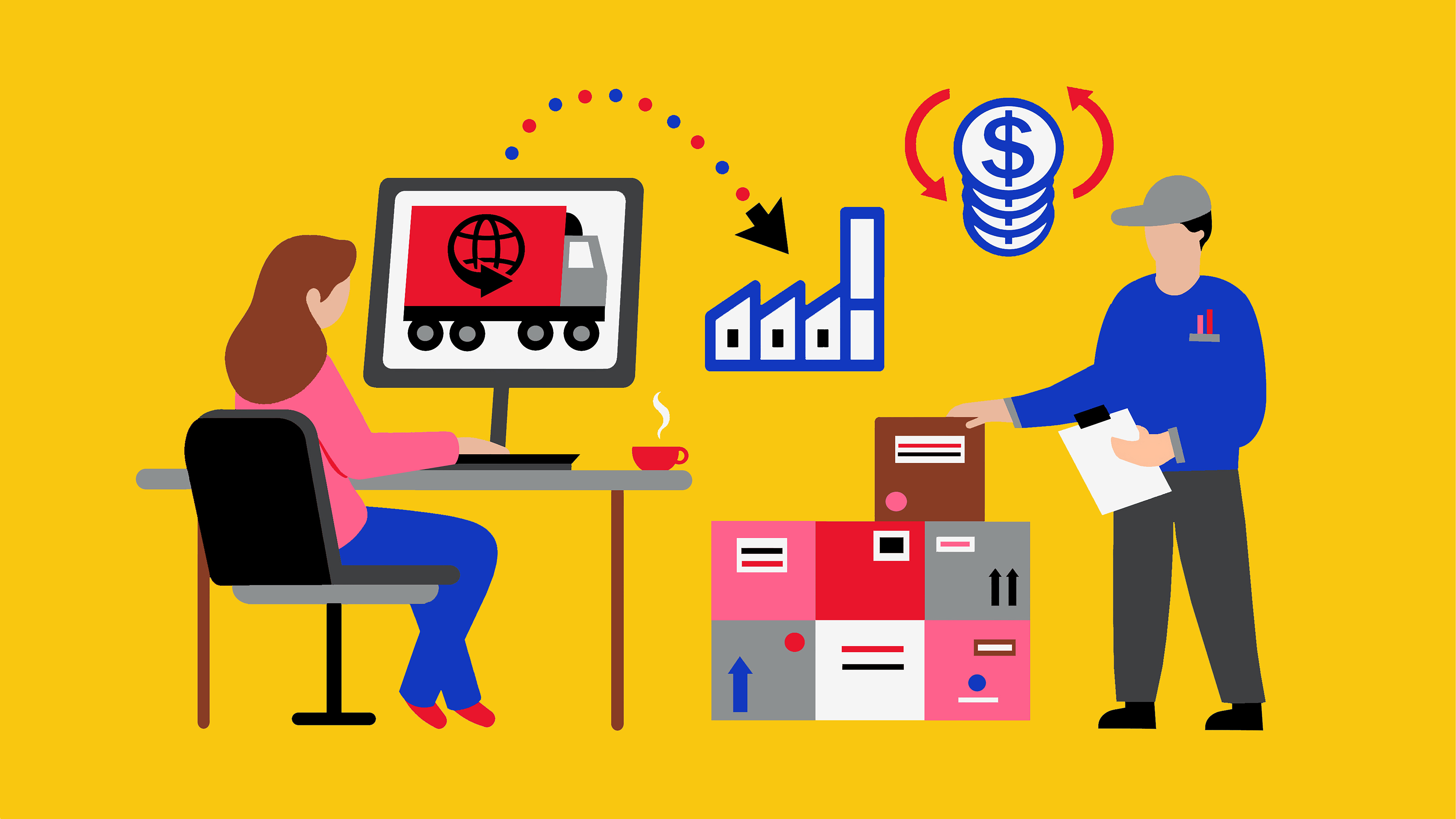
Performing reverse logistics operations in the supply chain involves performing several primary stages. However, the practice and management of these operations require experience gained from Logistics Training Courses in Dubai or elsewhere. These stages include:
-
Process the Return:
It is the first step and stage of reverse logistics. In this step, the receipt of returned products by customers and how they are transported are organised. This stage requires high accuracy in reducing costs and coordinating shipping and transportation methods.
-
Product Sorting:
It is a classification of the type of each returned product according to the reason for its return. Some products are returned due to poor manufacture. Others are returned due to a shipping error, product damage, etc. Generally, this stage is essential to organise the products and speed up the processing procedures.
-
Product Transportation:
It is essential to understand that keeping a product in storage for long periods can lead to deterioration and, consequently, an increase in waste.
So, damaged items are quickly moved to the designated section. Or transfer damaged products and items to the trash. But generally, all products or items should be transported without storing them long.
-
Repair Procedure:
At this stage, repair operations are carried out for the concerned parts. Then, they are transported to the company's warehouses or thrown into the trash if damaged, or specific components are used to produce new products. Some elements are not repairable, but they can be recycled in return, preserving the environment by reducing waste.
In Conclusion,
Nowadays, companies prefer to use reverse logistics processes. This is because it has internal advantages that may be solutions for these companies. It also gives the customer added value. At this point, its importance becomes clear to us.
Related Articles
The Top 10 Tips to Effectively Store Management and Stock Control
The Top 10 Tips to Effectively Store Management and Stock Control
Read More
Supply Chain Control Tower: A Catalyst for Change
Supply Chain Control Tower: A Catalyst for Change
Read More
Global supply chain challenges and solutions in the 21st century
Global supply chain challenges and solutions in the 21st century
Read More